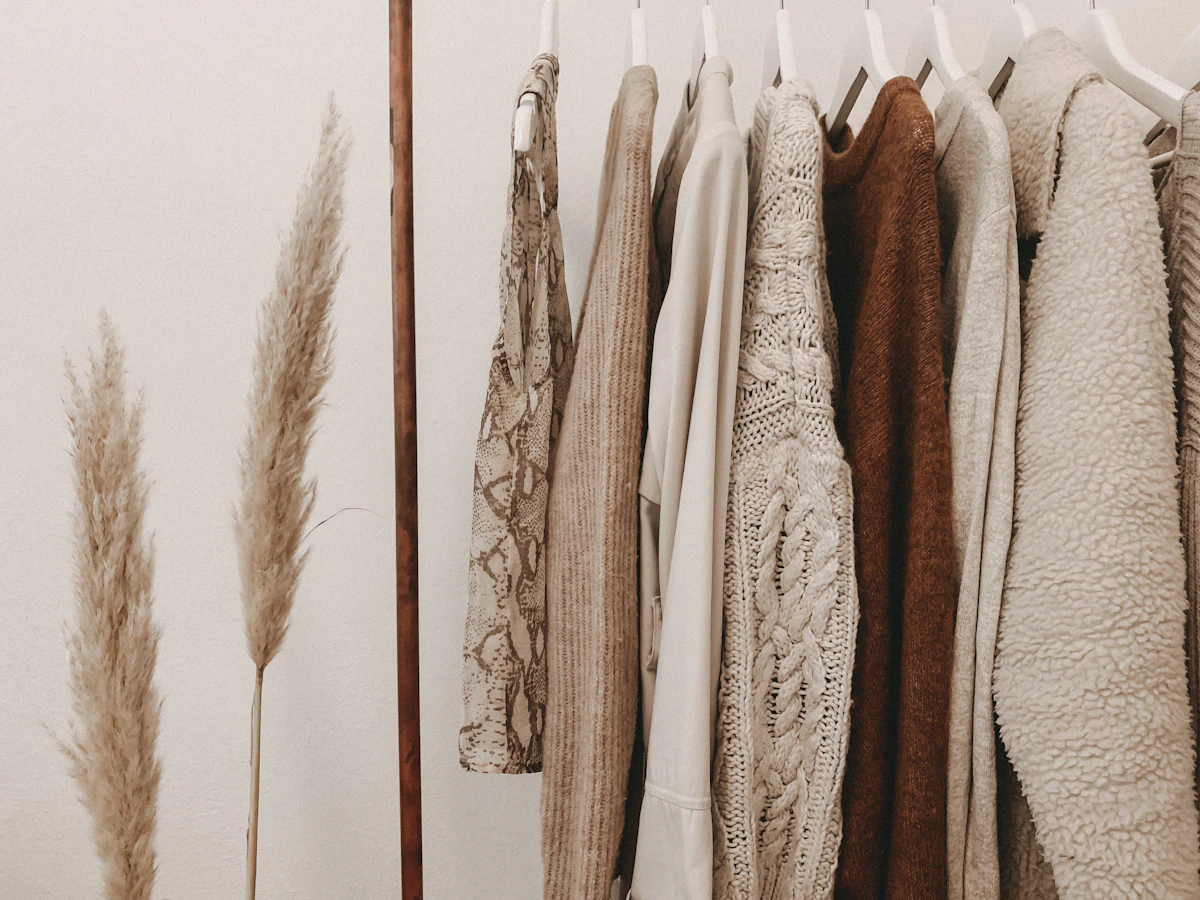
Est. 201450+ audited factories25 countries servedBSCI · SEDEX · ISO 90017–8 day samplingEst. 201450+ audited factories25 countries servedBSCI · SEDEX · ISO 90017–8 day sampling
BSCI · SEDEX · ISO 9001 · 7–8 day sampling
✓ amfori BSCI✓ Sedex✓ ISO 9001✓ OEKO-TEX✓ WRAP✓ GOTS
Woven Garment Manufacturing & Oxford Shirts Production in Bangladesh
From yarn selection to the final stitch — we craft premium Oxford shirts, dress shirts, blazers and dresses for global brands, with precision tailoring, 7–8 day sampling and end-to-end quality control.
Seven core sub-categories, developed from your tech pack or reference sample — fabric sourcing, pattern making, sampling and bulk production in audited partner factories.
Showing all 7 sub-categories
Shirting110–140 GSM
Oxford Shirts
Basket-weave cotton Oxfords with button-down or classic collars — consistent collar shape and controlled shrinkage across production lots.
Need a style that is not listed? We develop custom woven programs from your tech pack, sketch or reference garment — including fabric development and trim sourcing.
A practical reference for sourcing teams: how woven cloth is structured, which weave and weight to specify, and the checkpoints that prevent costly rework before bulk production begins.
Woven vs knit: the structural difference
Woven fabric is produced on a loom by interlacing two distinct yarn sets — the warp (lengthwise) and the weft (crosswise) — at right angles. The result is a stable, dimensionally controlled cloth with little inherent stretch, which is why woven is the default for shirts, trousers, tailoring and structured dresses.
Knit fabric is formed by interlooping a single yarn system, giving inherent stretch and a softer hand — the basis of t-shirts, polos and hoodies. A woven garment can still achieve comfort stretch through elastane content or mechanical-stretch weaves, but its baseline behaviour is stability, not elasticity.
Choose woven when you need
Crisp collars, cuffs and pressed creases
Structured silhouettes and clean drape
Stripe and check pattern matching
Dimensional stability across size sets
Choose knit when you need
Inherent stretch and recovery
Soft, casual jersey hand-feel
Body-contouring fits
Lightweight layering pieces
Weave structures you will actually order
The interlacing pattern determines hand-feel, drape, durability and appearance. Select a structure below to see how warp and weft interlace, and where each is typically used.
Warp yarnWeft yarn
Plain weave
Structure
Typical fabrics
Best for
Hand-feel
Choosing fabric weight (GSM)
GSM (grams per square metre) is the fastest way to communicate fabric weight to a mill. Use the ranges below as a starting point, then confirm with a physical swatch — hand-feel cannot be judged from a number alone.
Weight range
Typical woven fabrics
Common garment use
80–110 GSM
Voile, lightweight poplin
Summer shirts, dresses, linings
110–140 GSM
Oxford, standard poplin
Year-round shirting
140–180 GSM
Flannel, chambray, light twill
Casual shirts, overshirts
180–240 GSM
Chino twill, gabardine
Trousers, skirts, light jackets
240–320 GSM
Canvas, corduroy, heavy drill
Jackets, workwear, outerwear
Buyer note: GSM is not a quality score. Yarn count, thread density and finishing determine durability and hand. Two fabrics at the same GSM can behave very differently — always approve a swatch before bulk.
Shrinkage, colourfastness and finishing
Confirm residual shrinkage before bulk fabric is committed. For woven shirting and trousers we target ≤3% dimensional change after three home launderings; stricter programs specify ≤2%. Request the test report, not a verbal assurance.
Standard verification for international programs includes ISO 105 colourfastness (washing, rubbing and light), ISO 6330 dimensional stability, pilling and abrasion where relevant, and restricted-substance screening for EU and US markets.
Common woven finishes: enzyme wash, garment dye, easy-care / wrinkle-resistant, mercerisation, peach-skin and soft-silicone hand-feel. Specify the finish in the tech pack and approve it on the sample, because finishing changes both shade and measurement.
Tech pack readiness checklist
A complete tech pack removes ambiguity from costing and sampling. Tick the items you already have prepared — the list is saved in this browser so you can return to it.
Preparation progress0 of 8 confirmed
Complete the list before requesting a sampling quote.
Quality checkpoints that prevent rework
These are the checkpoints our merchandising team applies to woven programs before shipment. Use them as a reference when comparing suppliers.
Pattern and stripe matching at side seams, pockets, plackets and yokes for checks and stripes.
Collar and cuff symmetry, interlining bond strength and collar-stand height consistency.
Stitch density and seam strength — typically 10–14 SPI for shirting, verified with pull tests.
Button attachment and bar-tack strength, including pull tests on stress points.
Final random inspection to AQL 2.5 before carton sealing and shipment release.
Have a tech pack ready?
Send it for a feasibility and costing review. Our merchandising team responds within 24 hours with fabric options, MOQ confirmation and a sampling timeline.
Baseline standards applied to every woven program — fabric, construction, sizing, testing and packing. Use these as a reference when preparing your tech pack or comparing suppliers.
300 pcsMOQ / color / style
7–8 daysSampling
45–60 daysBulk lead time
≤3%Shrinkage target
10–14 SPIShirting stitch density
AQL 2.5Final inspection
Weight unit
Fabric & Weight Reference
Common woven fabrics, structures and weight ranges. Switch units above for US specification sheets.
Fabric
Weave
Weight (GSM)
Yarn count
Typical use
Cotton poplin
Plain
110–140 GSM
40s–80s
Dress & formal shirts
Cotton Oxford
Basket 2×2
120–160 GSM
40s/2–60s/2
Button-down shirts
Cotton twill / chino
2/1–3/1 twill
180–240 GSM
20s–40s
Trousers, chinos, skirts
Linen
Plain
140–190 GSM
14s–25s
Casual shirts, dresses
Cotton flannel
Plain / twill
150–190 GSM
20s–30s
Casual & overshirts
Canvas / drill
Twill
240–320 GSM
10s–20s
Jackets, workwear
Viscose voile
Plain
90–120 GSM
30s–60s
Dresses, blouses
Construction & Stitching Standards
Default construction for woven shirting and tailoring, confirmed per style at sampling.
Parameter
Standard
Stitch density — shirting
10–14 SPI
Stitch density — tailoring / trousers
8–12 SPI
Seam types
Flat-felled (side / shoulder), French (sheer), overlock + topstitch
Seam allowance
1.0–1.5 cm
Collar & cuff
Fused or non-fused interlining; bond strength tested
Buttonholes
Keyhole / straight, bartacked; pull-tested
Pattern matching
Checks & stripes matched at seams, pockets, plackets and yokes
Pressing
Steam + vacuum tables; collar stand and creases set
Sizing & Measurement Tolerances
Accepted deviation per measurement point, applied to the approved size set.
Measurement point
Tolerance (±)
Chest / body width
1.0 cm
Body length
1.0 cm
Sleeve length
0.6 cm
Shoulder width
0.6 cm
Collar circumference
0.3 cm
Cuff circumference
0.3 cm
Waist (trousers)
0.6 cm
Inseam (trousers)
0.6 cm
Testing & Compliance Targets
Verification performed before bulk release; reports shared with the buyer.
Test
Method
Target
Dimensional stability
ISO 6330
≤3% after 3 washes
Colourfastness to washing
ISO 105-C06
Grade 4
Colourfastness to rubbing
ISO 105-X12
Dry 4 / Wet 3
Colourfastness to light
ISO 105-B02
Grade 4
Pilling resistance
ISO 12945
Grade 3–4
Seam slippage
ISO 13936
No slippage
Restricted substances
REACH / OEKO-TEX 100
Compliant
Final random inspection
ANSI/ASQ Z1.4
AQL 2.5
Labeling & Packing Standards
Default export packing; brand-specific requirements confirmed at order confirmation.
Item
Standard
Care label
Fiber content, care symbols, country of origin
Main / size label
Woven or printed per brand artwork
Hangtag
Per brand artwork and placement
Folding
Shirt fold, flat pack or garments-on-hanger (GOH)
Polybag
Per piece, size sticker and suffocation warning
Carton
5-ply export carton with shipping marks
Carton assortment
Solid size / color or assorted per ratio
Barcode
EAN / UPC per SKU where required
Buyer note: These are baseline standards for woven programs. Final specifications, tolerances and test targets are confirmed per style during sampling and locked in the approved pre-production sample.
Need a product-specific spec sheet?
Send your style reference or tech pack and we will return a confirmed specification with fabric options, construction details and test targets within 24 hours.
A managed production network — from fabric development to final inspection. Select a stage to see the equipment, capacity and standards applied to your order.
50+Audited partner factories
120+Woven sewing lines
1.2MPieces / month capacity
7–8 daysSample room turnaround
Production stage1 / 6
01
Fabric Sourcing & Development
We source and develop woven fabrics through audited mills — poplin, Oxford, twill, linen, flannel, canvas and viscose — with lab dips, hand-feel matching and shrinkage pre-testing before bulk commitment.
Pattern masters translate tech packs into graded patterns and first samples, with fit sessions and measurement reports before the pre-production sample is locked for bulk.
7–8 daysFirst sample
IncludedFit revisions until approval
Full setsSize grading
What we handle
Pattern drafting from tech pack or reference
Fit samples and size sets
Measurement reports with tolerances
Pre-production sample lock
Equipment & methods
CAD pattern making and grading
Dedicated sample-room machinists
Fit mannequins and measurement audits
Standards: The approved pre-production sample governs all bulk measurement and workmanship.
03
Cutting & Spreading
Controlled spreading and precision cutting with marker-efficiency reporting, bundle tracking and shade sorting to keep panels consistent across the entire order.
85%+Marker efficiency target
±1 mmCut tolerance
Per rollShade sorting
What we handle
Marker making and efficiency reporting
Spread height and tension control
Bundle and ticket tracking
Stripe / check matching at cut
Equipment & methods
Auto spreaders, straight- and band-knife cutting
CAD markers
Fusing presses with temperature logs
Standards: Cut-panel audit completed before release to sewing lines.
04
Sewing & Assembly
Dedicated woven lines with operation breakdowns, roving in-line QC and end-of-line checks to hold stitch density, seam strength and symmetry across every size set.
Controlled finishing and wash development — enzyme, garment dye, easy-care and soft-hand — with shade and measurement re-checks after wash so the bulk matches the approved sample.
2–3 optionsWash development
Post-washShade + measurement check
Steam + vacuumPressing
What we handle
Enzyme / stone / soft washes
Garment dye with shade bands
Easy-care and wrinkle-resistant finishing
Pressing, thread trimming, stain control
Equipment & methods
Industrial washers with recipe logs
Steam and vacuum pressing tables
Shade cabinets and light boxes
Standards: Post-wash residual shrinkage held to ≤3% unless a stricter program is specified.
06
Quality Assurance & Packing
Final random inspection to AQL 2.5, metal detection where required, and export packing with carton marks, assortment and barcode verification before shipment release.
AQL 2.5Final random inspection
Where requiredMetal detection
Per brandPacking specification
What we handle
AQL 2.5 final random inspection
Measurement and workmanship audits
Metal detection and needle control
Carton marks, assortment, barcode checks
Equipment & methods
Inspection tables with calibrated lighting
Metal detectors and needle logs
Carton weighing and dimension checks
Standards: Inspection report shared with the buyer before shipment release.
Monthly Woven Capacity by Line Type
Indicative network capacity across dedicated woven lines.
Shirts
520k pcs
Trousers
340k pcs
Jackets
180k pcs
Blazer & Suits
160k pcs
Capacity is shared across active programs and confirmed at order booking.
Managed End-to-End
One merchandiser accountable from fabric to shipment
Weekly production photos and milestone updates
Third-party inspection welcome at any stage
Documented handover between every production stage
Answers to the questions sourcing teams ask most before placing a woven program. Search, filter by topic, or expand all to read through.
10 questions
Jump to:
For woven shirting, trousers and dresses, our standard minimum is 300 pieces per color per style. Tailored blazers and heavy canvas outerwear may require 500 pieces where the fabric mill imposes a higher minimum. We confirm the exact MOQ in writing before you commit to sampling.
Yes. We produce fully branded private-label programs: woven or printed main labels, care labels, size labels, hangtags, branded polybags and carton marks per your artwork. We can also develop custom trims and buttons to match your brand identity.
We source poplin, Oxford, twill, linen, flannel, chambray, canvas, corduroy, viscose and voile through audited mills. Yarn-dyed checks and stripes, organic GOTS cotton, and recycled blends are available. If you have a reference swatch, we can develop a matching fabric and submit lab dips for approval.
Yes — easy-care, wrinkle-resistant, liquid-ammonia, mercerised, enzyme-wash and soft-hand finishes are all available for woven shirting. For EU and US programs we use restricted-substance-compliant finishing chemistry and can provide the relevant test reports.
Yes. For yarn-dyed stripes and checks we plan markers specifically for pattern matching and match at the placket, pocket, yoke and side seams. Matching increases fabric consumption slightly, which we factor into the quotation transparently so there are no surprises at bulk.
We target ≤3% residual shrinkage after three home launderings, tested to ISO 6330. Stricter programs can specify ≤2%. Shrinkage is pre-tested on the bulk fabric lot before cutting, and the pattern is adjusted to compensate so finished measurements stay within tolerance after wash.
Production is placed only in audited partner factories holding BSCI, SEDEX, ISO 9001 or WRAP credentials. Fabrics can be supplied with OEKO-TEX Standard 100 certification, and GOTS organic cotton is available on request. We share the applicable factory audit and fabric certificates with your order documentation.
We approve lab dips under a D65 light box, maintain shade bands across dye lots, and sort fabric rolls by shade before cutting. Continuity cards travel with each bundle so panels from the same shade group are sewn together, preventing shade variation within a single garment.
First samples take 7–8 days for shirting, trousers and dresses, and 10–12 days for tailored pieces. Bulk lead time is typically 45–60 days after pre-production sample approval and fabric availability; tailored programs run 60–75 days. We confirm a dated milestone plan at order confirmation.
We ship on FOB, CIF or DDP terms to the USA, UK, EU, Australia and the Middle East. Standard payment is 30% T/T deposit with 70% against a copy of the bill of lading; irrevocable L/C at sight is accepted for established programs. Third-party inspection is welcome before shipment release.
No questions match your search. Try a different term, or clear the filters to see all questions.
Still have a question about your woven program?
Our merchandising team replies within 24 hours with fabric options, MOQ confirmation and a sampling timeline.
Send your tech pack, sketch or reference garment. Our merchandising team will confirm fabric options, MOQ and a sampling timeline within 24 hours — with a clear, itemized quotation and no hidden fees.
From tech pack to deliveryWoven · Shirting · Tailoring · DressesLet’s make your next collectionAudited partner factoriesFrom tech pack to deliveryWoven · Shirting · Tailoring · DressesLet’s make your next collectionAudited partner factories


 Shirting110–140 GSM